Inline Helical Type Agitator Supplier In Nagpur
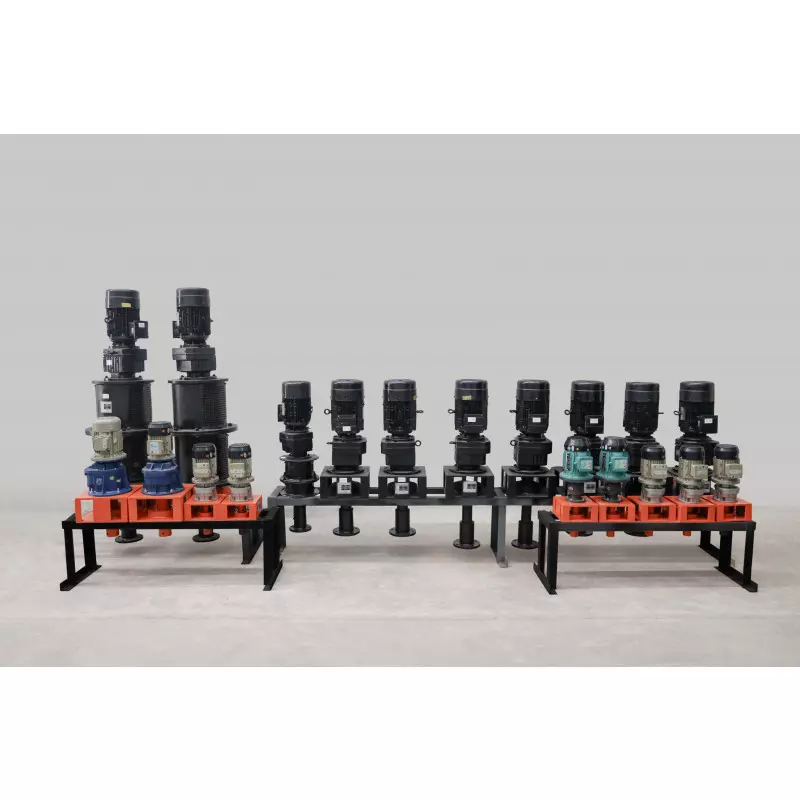
Details of Agitator
Just like the steady flow of a river cutting through rocks, our inline helical type agitator supplier in Nagpur delivers constant, reliable mixing solutions without fail. This kind of agitator fits well where space is tight but stirring can't be compromised. It moves fluid smoothly along its axis, blending materials evenly without creating too much turbulence, which some setups really need.
Then there's the heat. Inline helical agitators handle temperature-sensitive fluids better because they don't churn aggressively. This means less wear on parts and longer life for your system, which is something every plant manager watches closely (especially during the dry months when cooling systems are under strain). Plus, they fit nicely into existing piping systems without extra bulky mounts.
How They Work
| Flow Type | Axial Flow |
|---|---|
| Main Use | Continuous Mixing in Pipelines |
| Material Options | MS, SS304, SS316 |
| Advantages | Smooth Fluid Movement and Energy Efficient |
The design keeps fluid moving forward rather than side to side or backflowing—this cuts down on dead zones where mixing might stall. We see this as useful in water treatment or chemical dosing lines where consistency is key but strong agitation risks damage or foaming.
A question often comes up about durability: these agitators resist corrosion thanks to options like SS316 and protective coatings (we've tested some units through harsh chemical baths lasting weeks). It's also worth noting that installation time stays low since no extra foundation work usually applies.
Our approach has been thinking beyond just today's orders; we're setting standards for future upgrades. That means designing inline helical types that can adapt if your process changes or scales up over years. This flexibility helps avoid costly replacements later—a practical concern many overlook until it's too late.
If you want to see how one performs in real conditions near Nagpur's industrial areas dealing with sugar processing plants, we have case studies ready to share with you. These examples show how smooth operation helped maintain product quality while lowering energy bills—a balance that's hard to strike.
Offered Product
