Electronic Solenoid Dosing Pump Manufacturer In Jodhpur
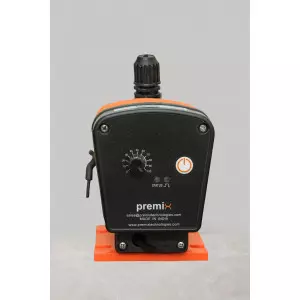
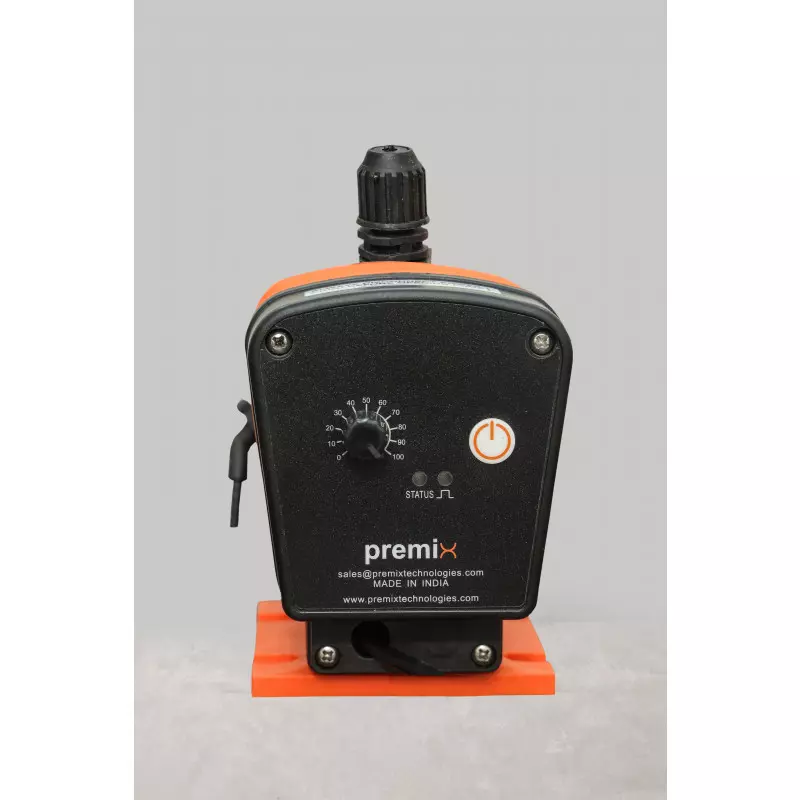
Details of Electronic Solenoid Dosing Pump
Making Electronic Solenoid Dosing Pumps in Jodhpur requires sticking to strict quality standards so each pump meets what clients want. We have to watch every step, from raw material selection to final testing, because these pumps play a key role in chemical dosing processes. Getting the calibration right and ensuring reliability under different conditions is tough but necessary.
The temperature where the pump bearings run matters a lot. Bearings heat up during operation and if not controlled, they cause wear or failure faster than expected. Monitoring bearing temperature helps us catch early signs of trouble before a full breakdown happens. It’s about checking often and acting quickly, not waiting for something to go wrong.
Handling Emergencies with Care
- Backup Power: Keeps pumps running when main power cuts out.
- Spare Parts: Ready stock of parts reduces downtime after failure.
- Training: Operators know exactly how to fix common issues fast.
- Regular Checks: Prevent problems by spotting small faults early on.
If there’s ever a big failure, having this kind of plan stops it turning into a disaster. You don’t just lose time and money; you risk damaging the whole process downstream.
Our team looks closely at every incident involving these dosing pumps. We find out why something broke or went off course then use that knowledge to improve design or maintenance guidelines. Sometimes it’s poor installation; other times it’s unexpected wear due to chemical exposure or vibration levels not accounted for properly (this one caught us off guard last year). Knowing these details helps stop repeats and makes the pumps safer overall.
Bearing failures are especially tricky because they show up slowly but lead to sudden shutdowns if ignored too long. The electronic solenoid mechanism also needs precise control circuits that can falter if temperatures spike beyond certain points—a problem we watch closely during summer months around here when ambient heat adds stress on components.
If you're facing issues with pump uptime or accuracy in your dosing applications, getting deep insights from real-world data can help make smarter choices on replacement cycles or system tweaks without guessing blindly.
Offered Product
